
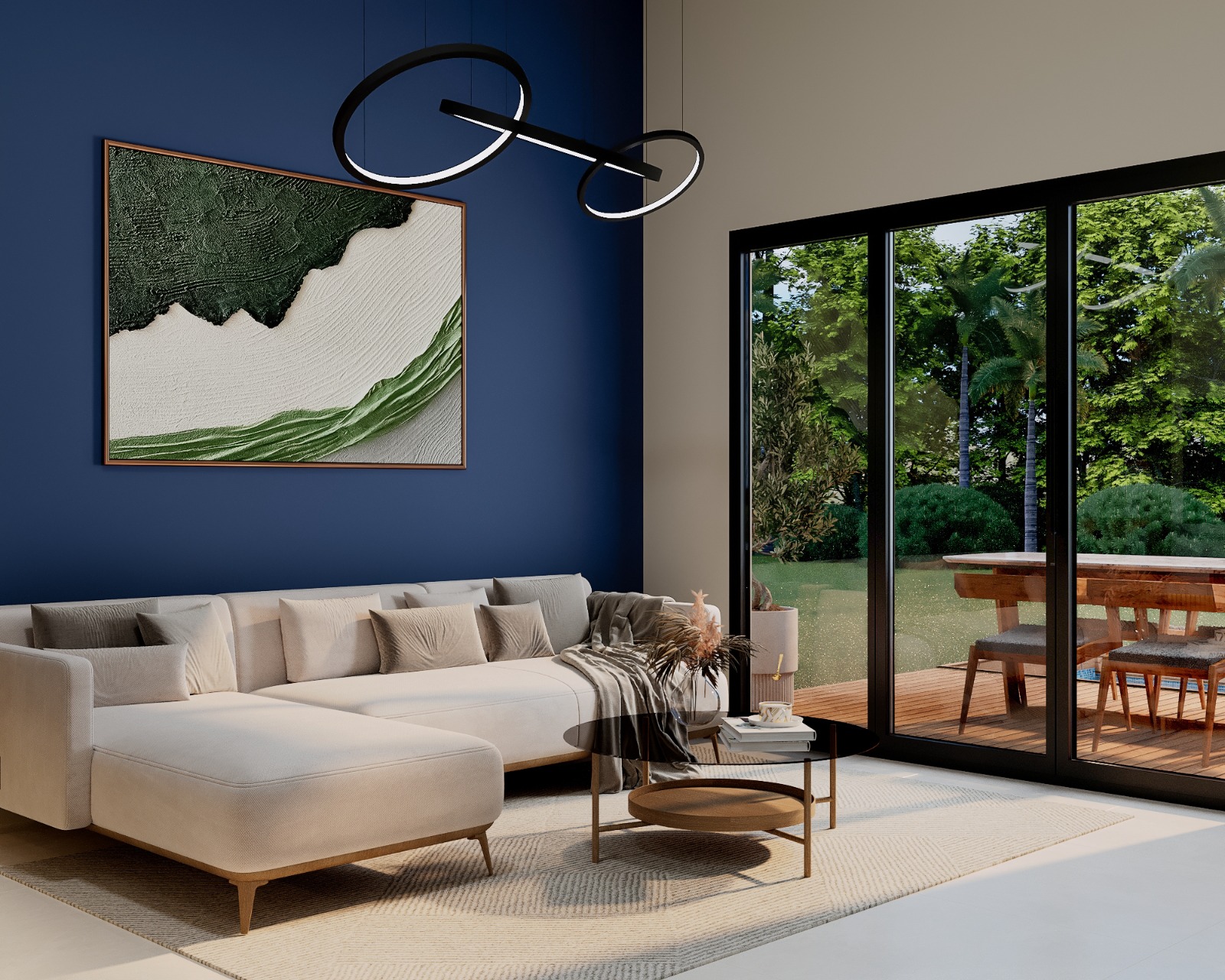
Life by the coast is about more than ocean views and sandy beaches.
The architecture of a home plays a major role in shaping how people feel, live, and interact with their surroundings.
In coastal communities, thoughtful design can create a stronger connection to nature while improving comfort, well-being, and daily lifestyle.
Key Takeaways
- Coastal architecture can reduce stress and promote relaxation.
- Natural light improves mood and supports healthier living.
- Open layouts encourage social interaction and flexibility.
- Indoor-outdoor living strengthens the connection to nature.
- Sustainable coastal design enhances comfort and long-term value.
The Emotional Impact of Coastal Architecture
One of the biggest benefits of coastal architecture is its ability to create a calm and peaceful atmosphere.
Large windows, open spaces, and unobstructed views of the water help residents feel connected to the natural environment.
Studies have shown that exposure to natural scenery can lower stress levels and improve mental well-being.
Architects often use soft color palettes inspired by the coast, including shades of blue, white, and sand, to reinforce feelings of relaxation and tranquility.
Natural Light and Improved Well-Being
Coastal homes are typically designed to maximize natural light.
Floor-to-ceiling windows, glass doors, and open floor plans allow sunlight to flow throughout the home.
Natural light can help regulate sleep patterns, improve focus, and boost mood.
Residents often report feeling more energized during the day while enjoying a stronger connection to the changing rhythms of nature.
| Architectural Feature | Lifestyle Benefit |
|---|---|
| Large windows | Better views and natural light |
| Open layouts | Improved social interaction |
| Outdoor living spaces | More time spent in nature |
| Sustainable materials | Greater comfort and efficiency |
Indoor-Outdoor Living
A defining characteristic of coastal living is the seamless transition between indoor and outdoor spaces.
Covered patios, balconies, rooftop terraces, and sliding glass walls make it easier to enjoy fresh air and ocean breezes.
This design approach encourages outdoor activities, relaxation, and entertaining.
Instead of feeling confined indoors, residents experience a lifestyle that naturally extends into the surrounding environment.
Open Spaces Encourage Connection
Modern coastal homes often prioritize open-concept layouts.
By reducing unnecessary walls and barriers, these designs create a greater sense of freedom and spaciousness.
Open spaces also support stronger social connections.
Family members and guests can interact more naturally, making the home feel welcoming and comfortable.
For many homeowners, this design philosophy aligns perfectly with the relaxed and community-focused culture commonly found in coastal areas.
Sustainability and Long-Term Comfort
Coastal architecture increasingly incorporates sustainable design principles.
Energy-efficient windows, natural ventilation, and environmentally responsible materials help improve comfort while reducing environmental impact.
These features can also lower operating costs and increase property value over time.
A well-designed coastal home is not only beautiful but also resilient and adaptable to changing environmental conditions.
Final Thoughts
Architecture has a powerful influence on both mood and lifestyle, especially in coastal settings.
By maximizing natural light, embracing indoor-outdoor living, and creating open, welcoming spaces, coastal homes can enhance daily well-being and foster a deeper connection to nature.
For homeowners and buyers exploring coastal properties, thoughtful architectural design is often just as important as the location itself.